
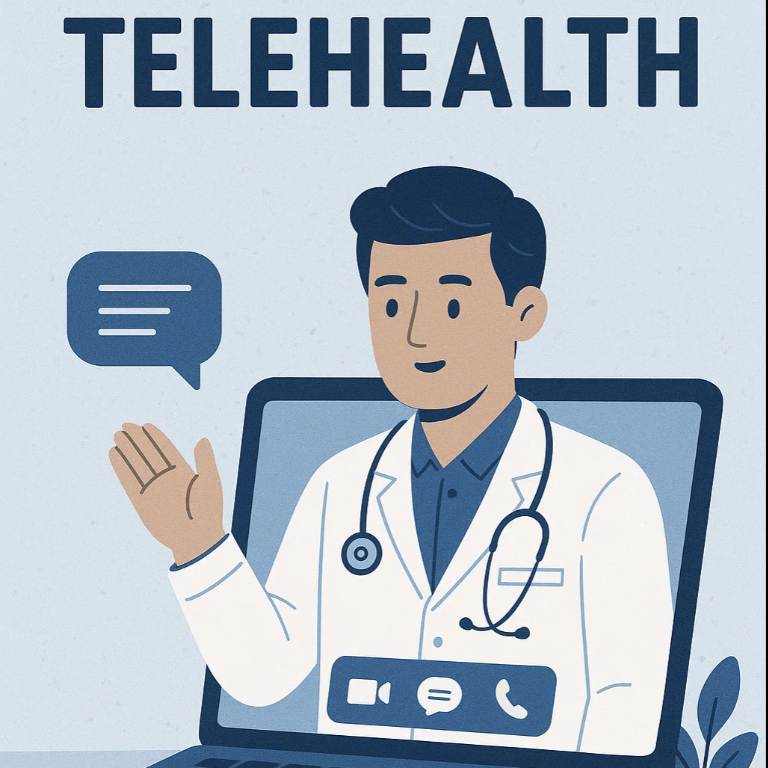
In today’s fast-paced healthcare environment, teletherapy models and technology are essential for remote mental health services. As the need for accessible therapy increases, understanding these models is crucial.
Understanding Teletherapy Models
Teletherapy delivers therapy services remotely via digital platforms. Several teletherapy models are in use, each with unique benefits.
Video Conferencing
Video conferencing is prevalent, allowing therapists to see clients through secure platforms like Zoom or Microsoft Teams. This mimics traditional therapy settings while providing flexibility and access. Source: National Institute of Mental Health (NIMH)
Phone Therapy
Phone therapy is accessible for clients in areas with limited internet. It focuses on verbal communication, often enhancing verbal expressions. Source: American Psychological Association (APA)
Text-Based Therapy
Text models, such as Talkspace and BetterHelp, use text exchanges for therapy. This method is discreet and allows clients time to reflect on their responses.
Technological Innovations in Teletherapy
New technologies continuously refine the teletherapy experience.
Artificial Intelligence
AI platforms analyze language to offer personalized therapy suggestions. These innovations improve therapist-client interactions. Source: APA
Virtual Reality
Virtual reality provides immersive environments for exposure therapy for PTSD and anxiety. This technology increases client engagement and outcomes.
Data Security
Data security is crucial. Using end-to-end encryption and following HIPAA regulations secures client data, ensuring trust and compliance. Source: U.S. Department of Health & Human Services
Benefits of Teletherapy
Teletherapy offers many advantages, reshaping mental healthcare.
Greater Accessibility
Teletherapy overcomes geographical barriers, helping people in remote areas access care without traveling.
Convenience and Flexibility
Clients enjoy scheduling flexibility, having sessions from home, reducing any stigma linked with therapist visits.
Challenges in Teletherapy
Despite its benefits, teletherapy faces challenges that need solutions. Source: NIMH
Technical Barriers
Stable internet and proper devices are required, possibly excluding clients in low-tech areas.
Depth of Therapy
Some argue teletherapy cannot fully replace the in-person connection essential for therapy.
Regulatory Challenges
Teletherapy needs to navigate various state regulations, complicating practice across borders.
The Future of Teletherapy
As technology evolves, teletherapy’s future holds exciting prospects. Source: APA
Wearable Tech Integration
Wearable devices’ biometric data can inform therapy, offering real-time insights into physical states.
Global Expansion
Teletherapy enables therapists to work across borders, maximizing different time zones for more availability.
Teletherapy models and technology shift mental health care frameworks, merging innovation with need. Exploring these transformative fields offers great potential for improved health outcomes.
FAQs on Teletherapy Models & Technology
What is teletherapy?
Teletherapy delivers therapy via digital means, like video calls or messaging, for remote sessions. Source: NIMH
Is teletherapy secure?
Yes, most teletherapy uses encrypted communication and follows HIPAA to protect client privacy.
Can teletherapy replace in-person therapy?
Teletherapy provides access and flexibility but may not fully substitute the in-person experience for all.
If teletherapy models and technology interest you, subscribe for updates on the evolving telehealth landscape.
Sources
- American Psychological Association (APA) – Authoritative source on teletherapy and psychological guidelines.
- National Institute of Mental Health (NIMH) – Offers in-depth research on mental health and teletherapy.
- U.S. Department of Health & Human Services – Provides guidelines on HIPAA and telehealth practices.

